Glossary
Rug & Carpet Terms, Explained
Plain-language definitions for the construction methods, materials, and trade terms you'll come across when sourcing handmade rugs — what each one means, how to spot it, and why it matters when you're buying.
Construction
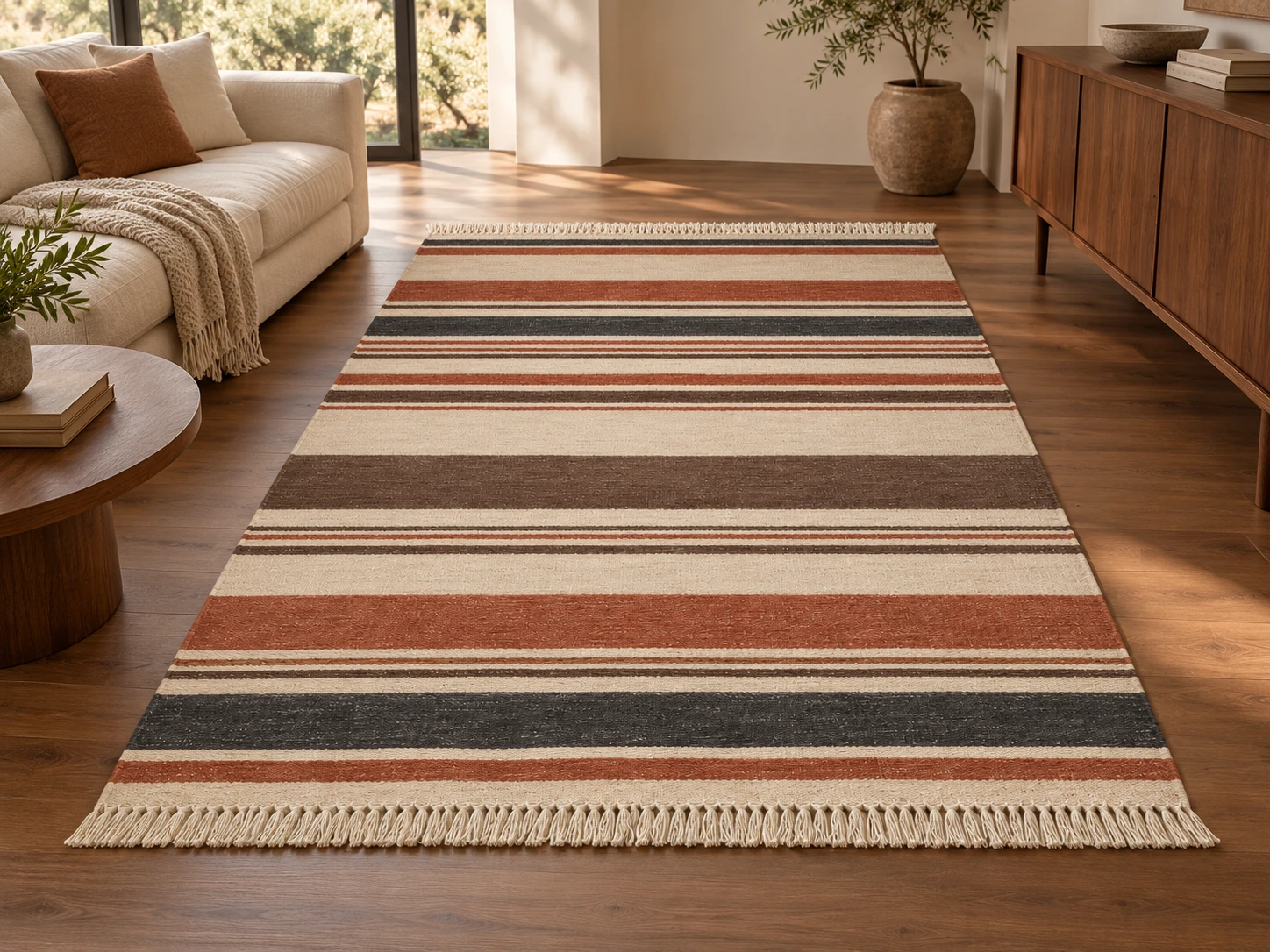
- Dhurrie
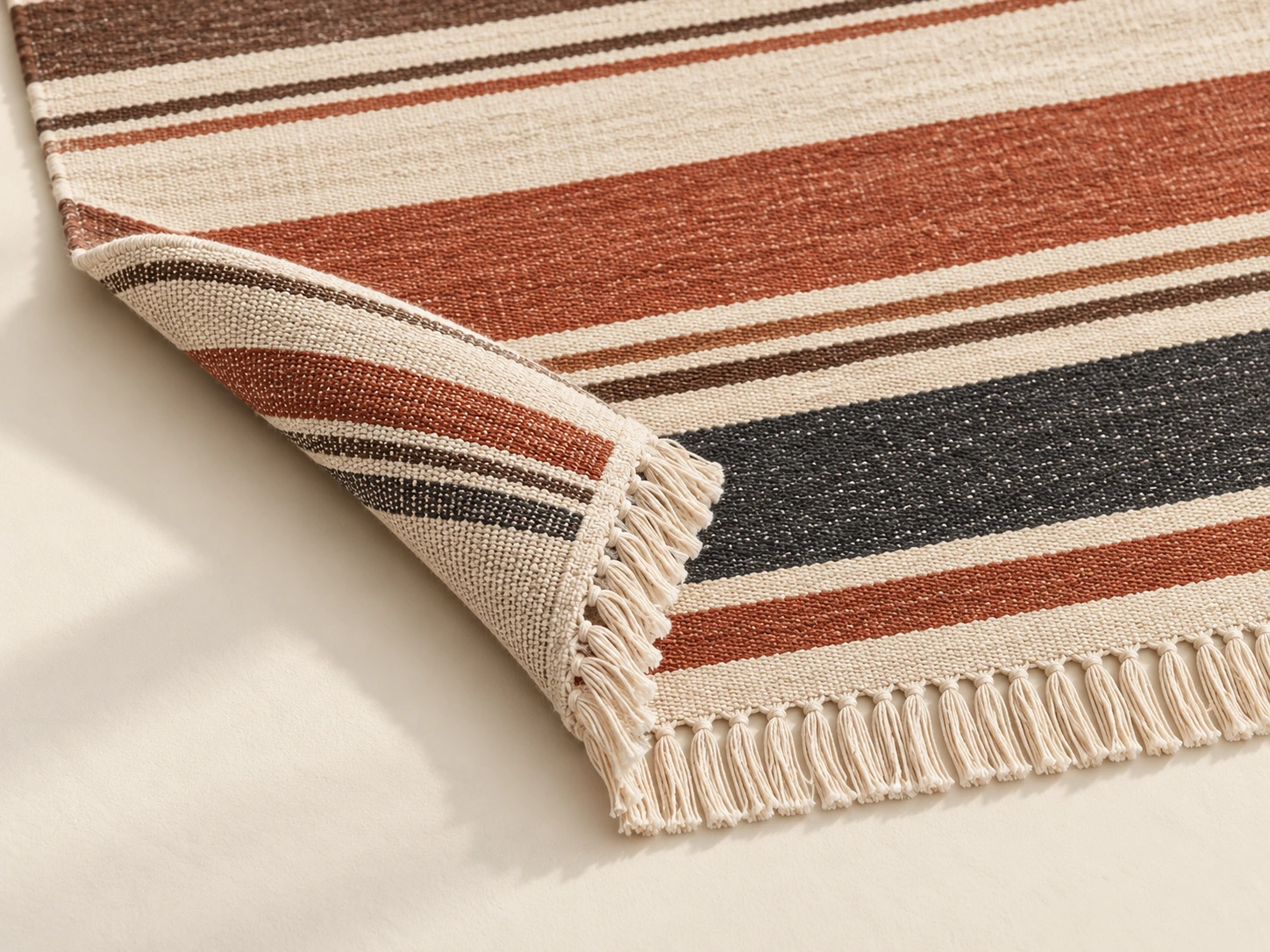
- A flatwoven cotton rug, traditionally South Asian, usually in stripes or geometric patterns, with no pile.
- Flatweave
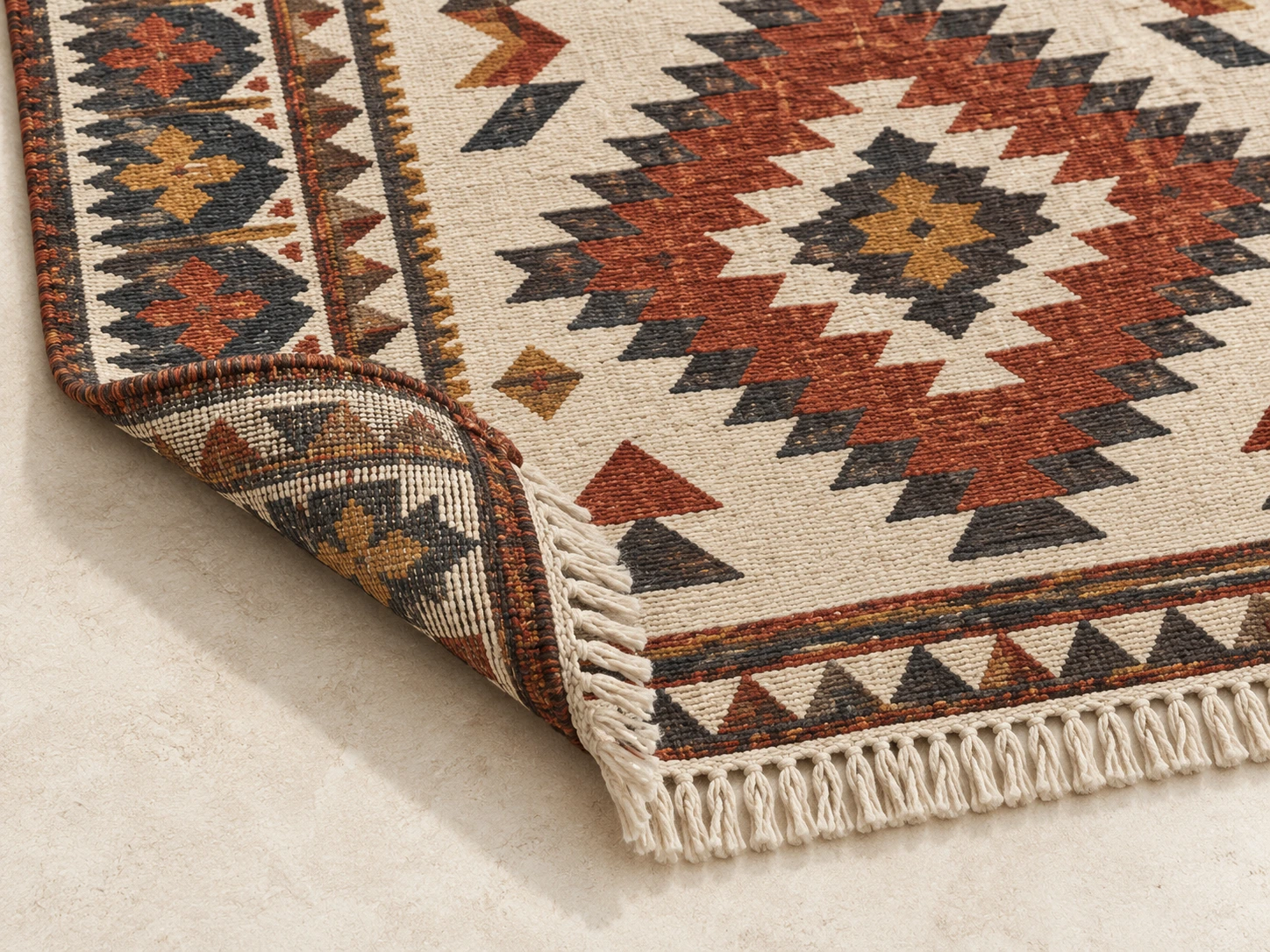
- A rug woven with no pile at all — warp and weft interlaced into a thin, reversible textile, as in a dhurrie or kilim.
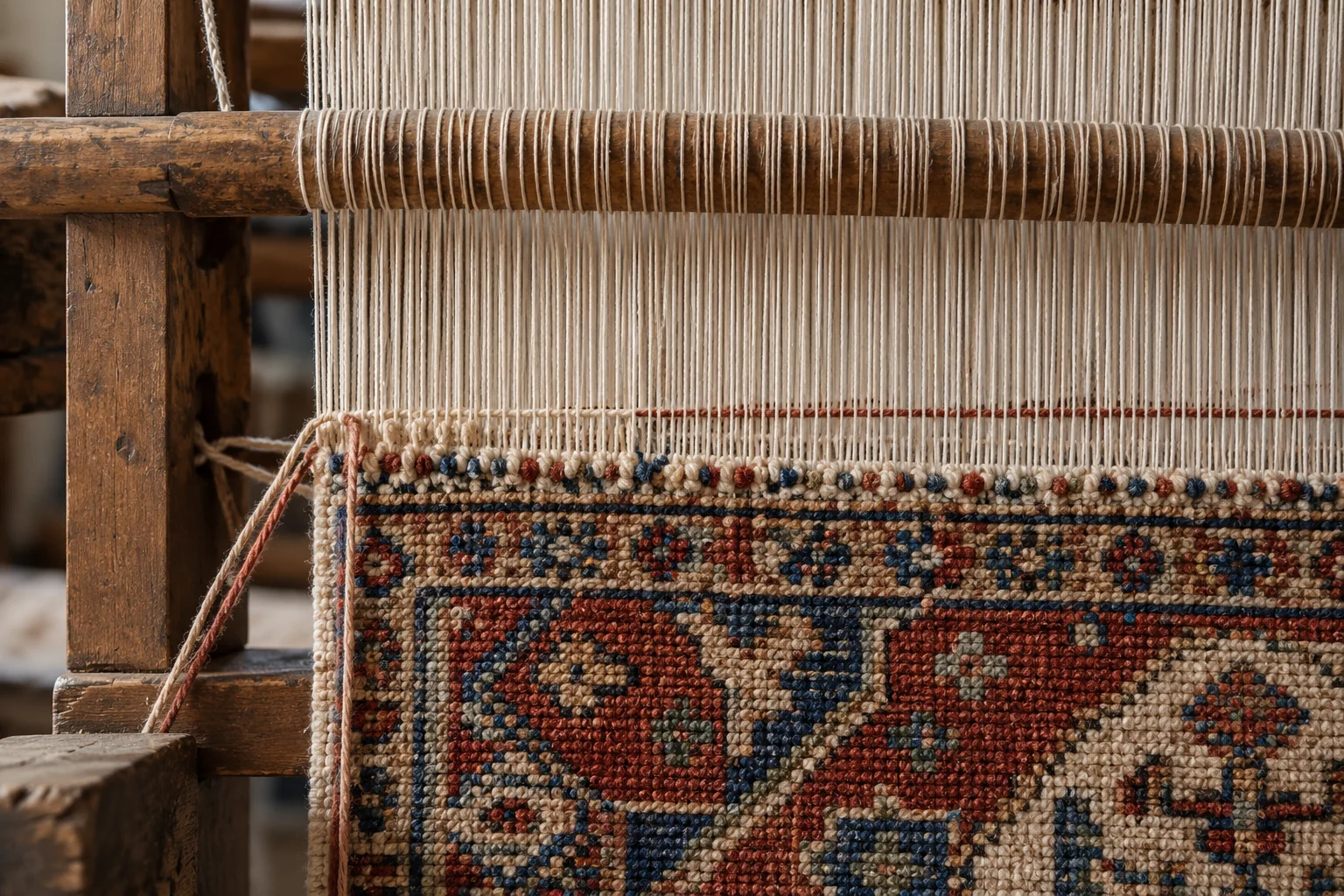
- Hand-Knotted
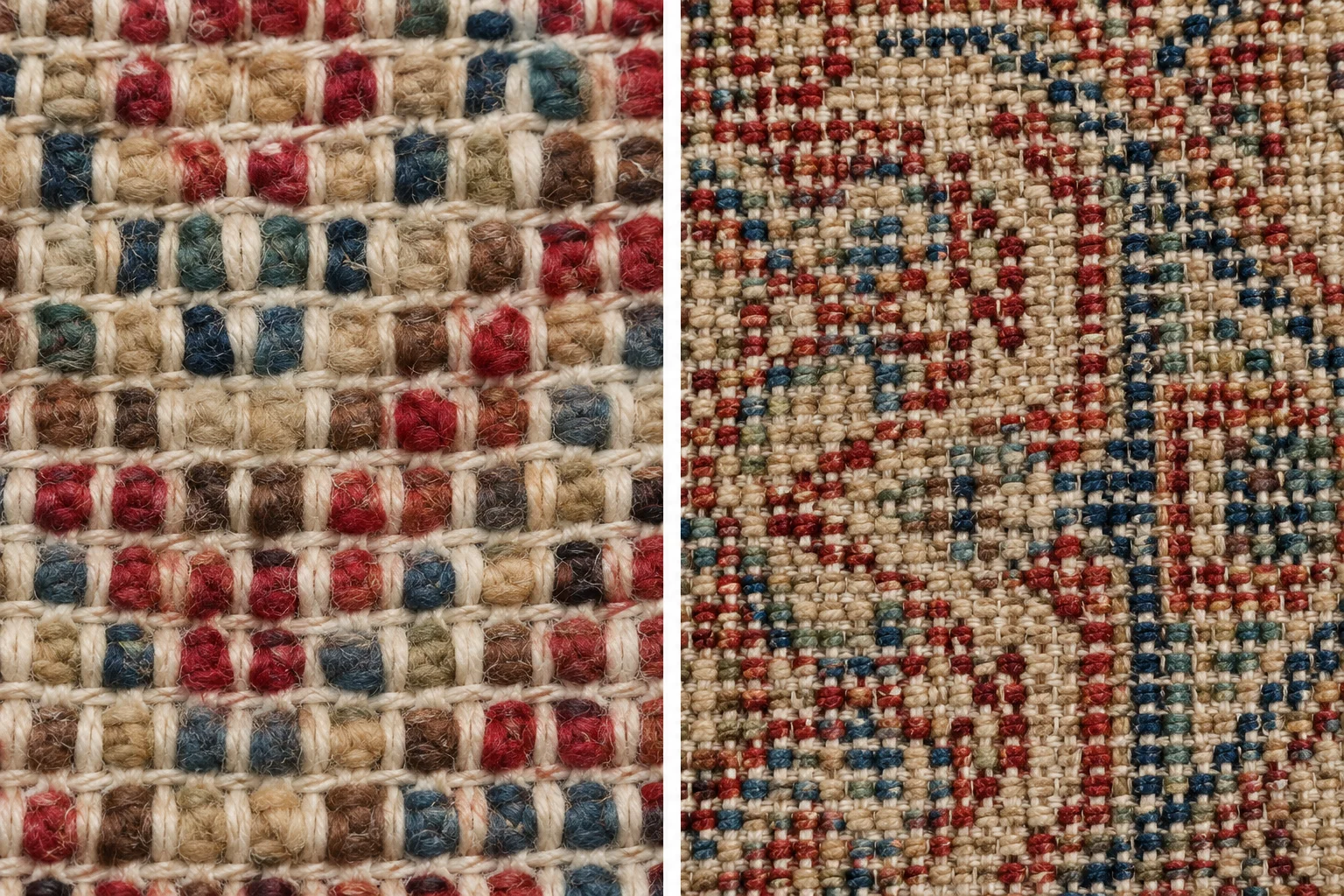
- A rug built one knot at a time, tied by hand around the warp threads of a loom — the slowest, most durable handmade construction.
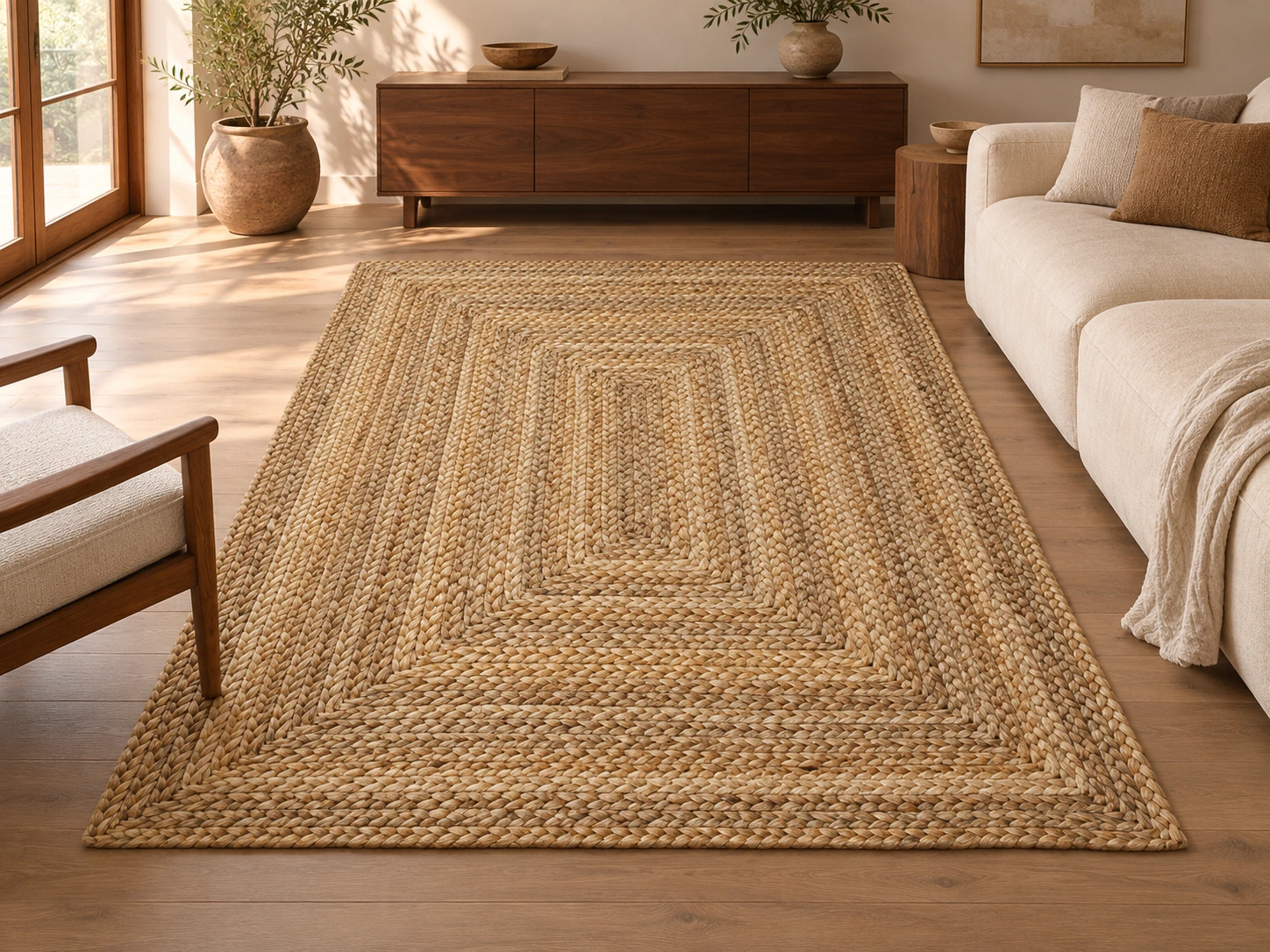
- Hand-Loomed
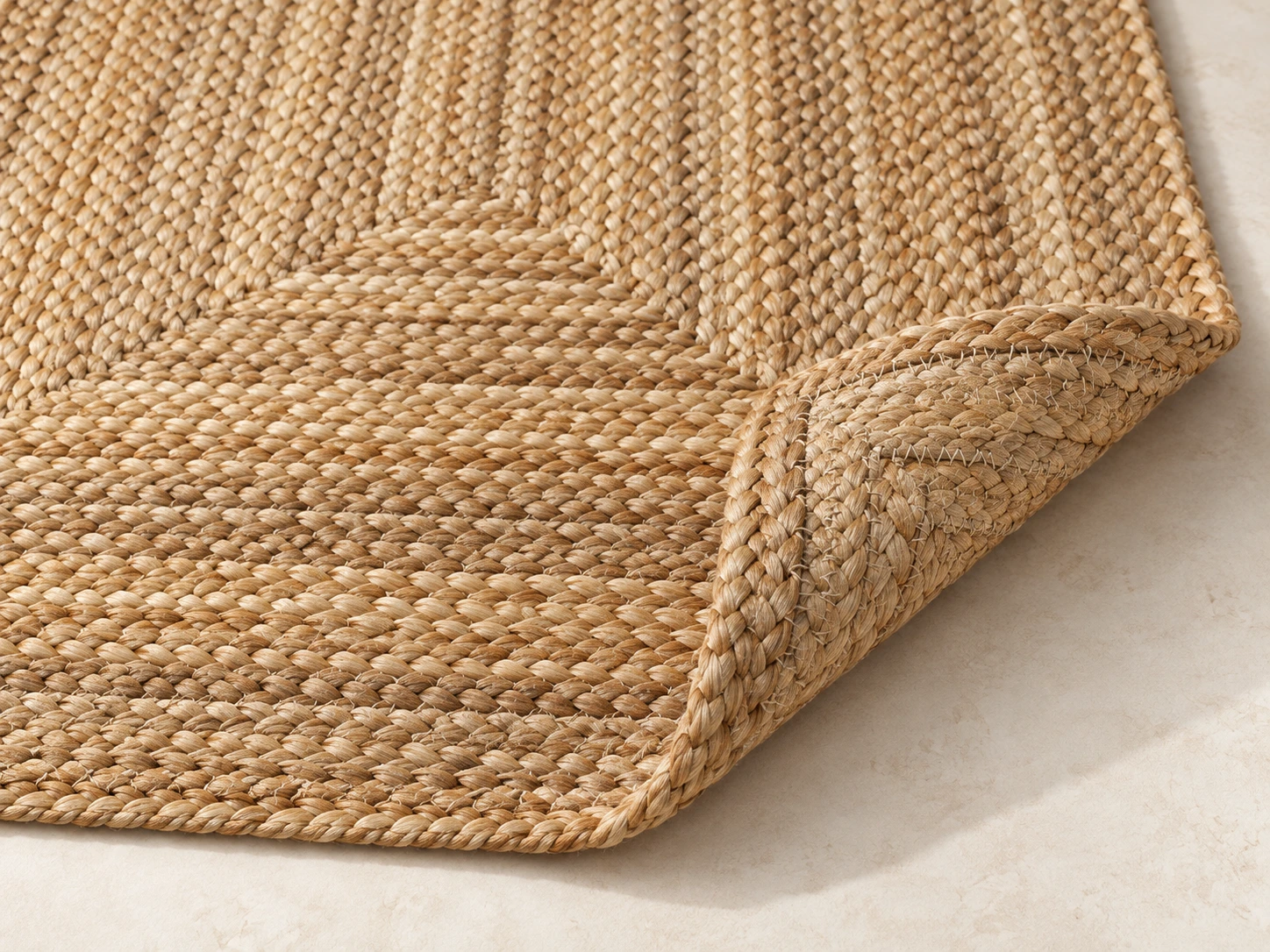
- Yarn woven on a handloom without knotting — a relaxed, textured construction common in jute, sisal, and other natural fibers.
- Hand-Tufted
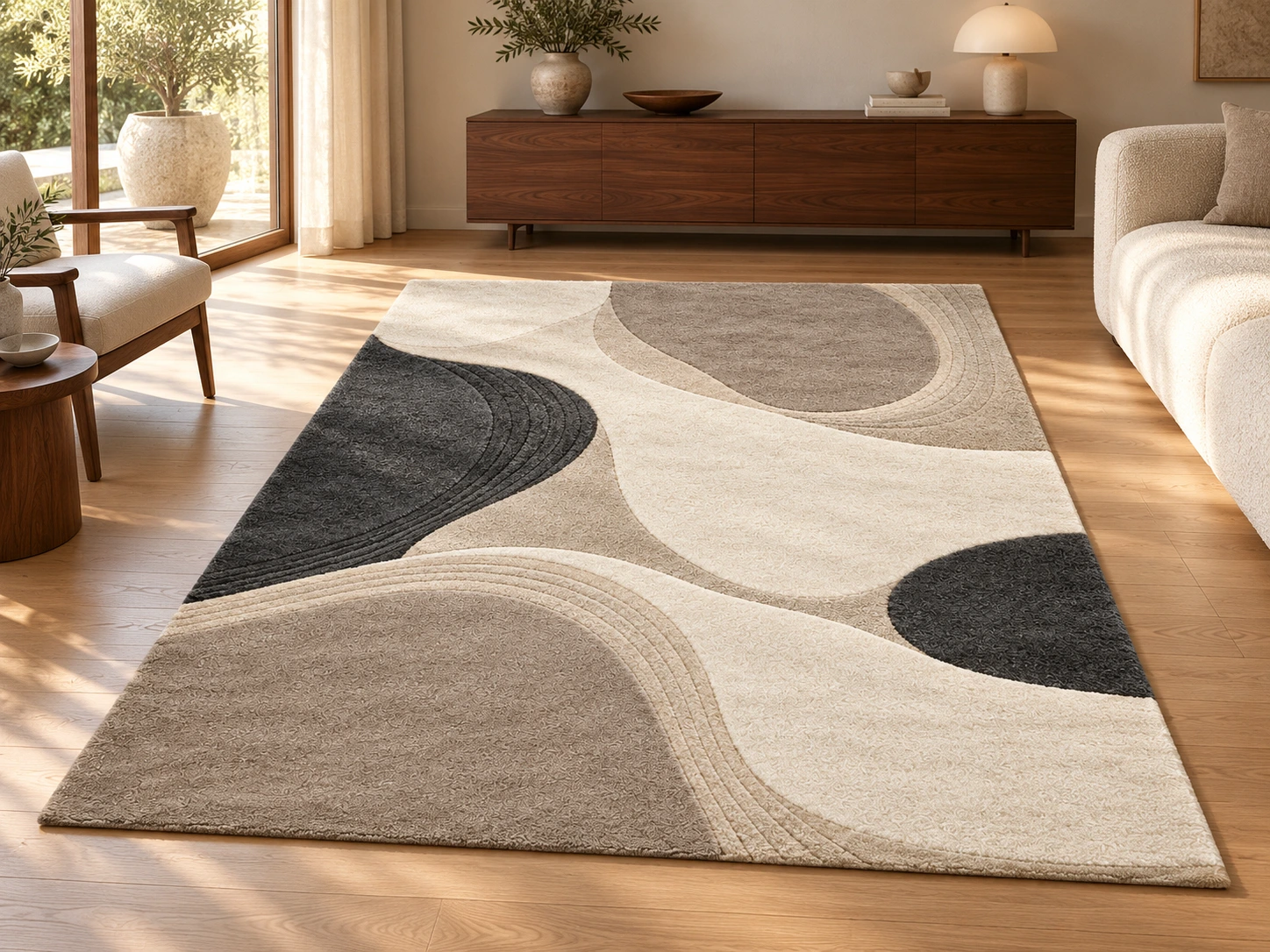
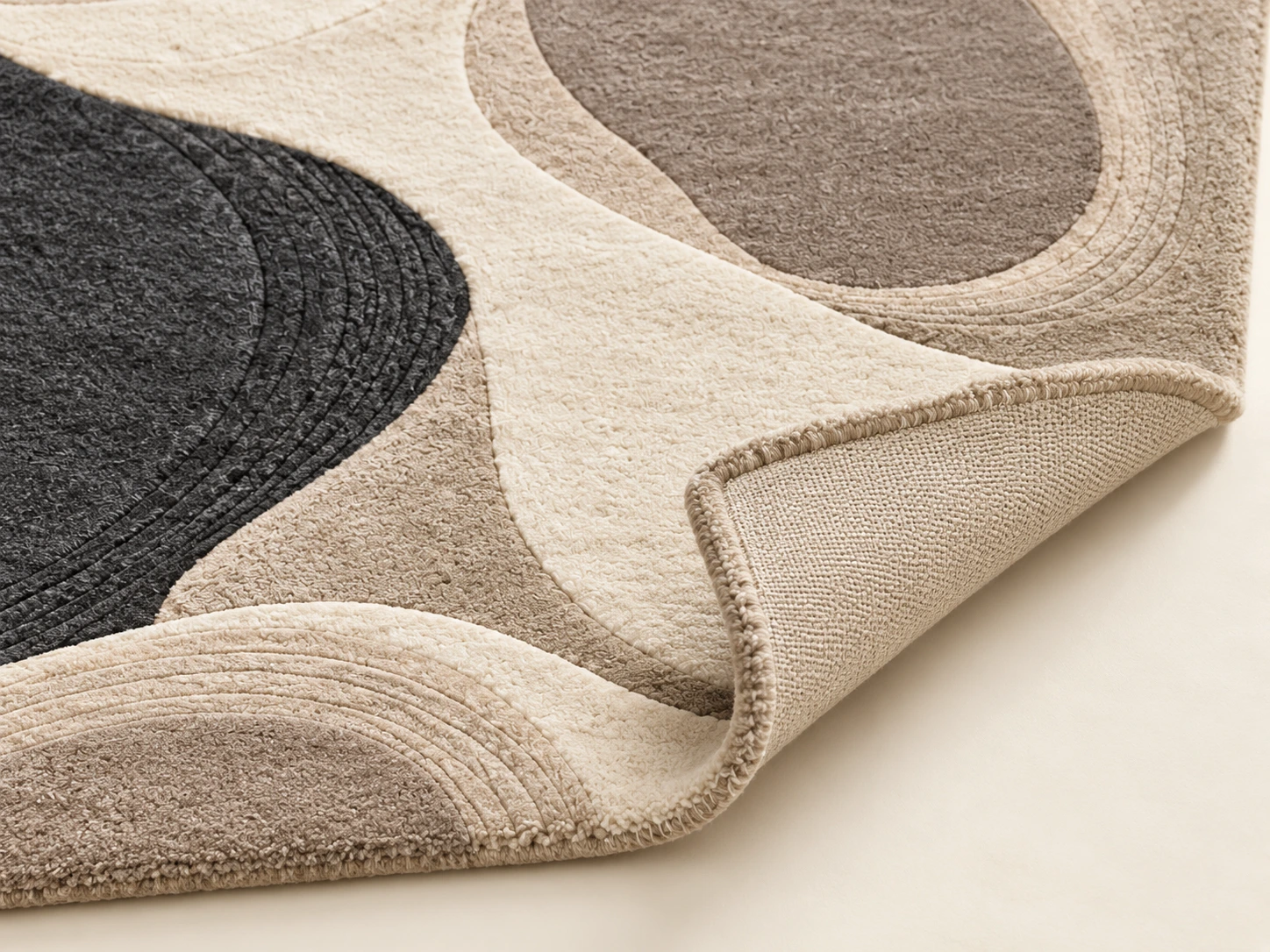
- A rug made by punching yarn through a fabric backing with a handheld tufting gun, then shearing and finishing it by hand.
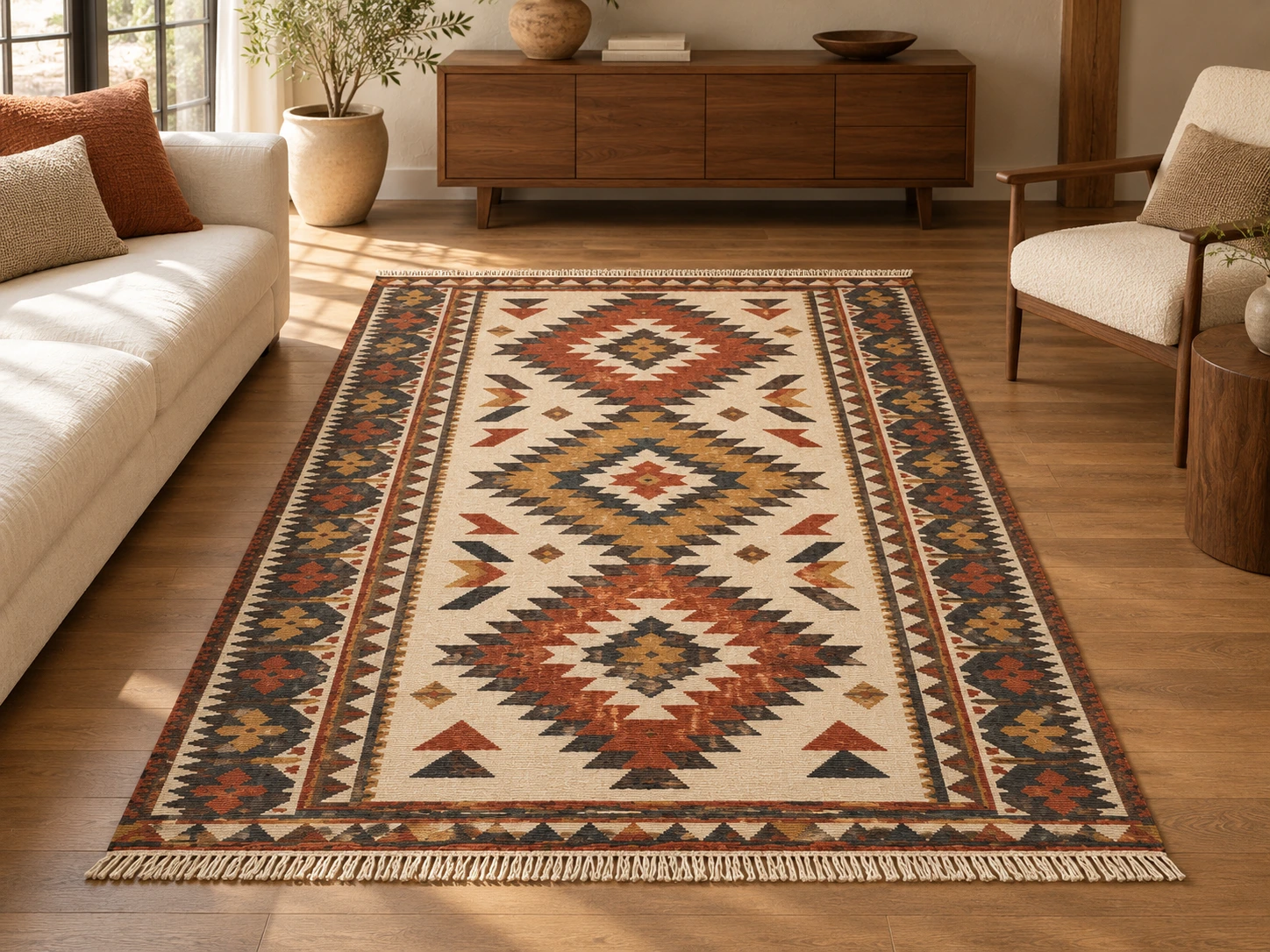
- Kilim
- A pileless, tapestry-woven flatweave rug, traditionally wool, known for bold geometric and tribal patterns that are reversible.
Materials
- Cotton
- A soft, breathable fiber most often used for flatwoven dhurries and as a foundation material in knotted rugs.
- Jute
- A sustainable plant fiber with a warm, natural texture, commonly used in flatweave and braided rugs.
- Silk
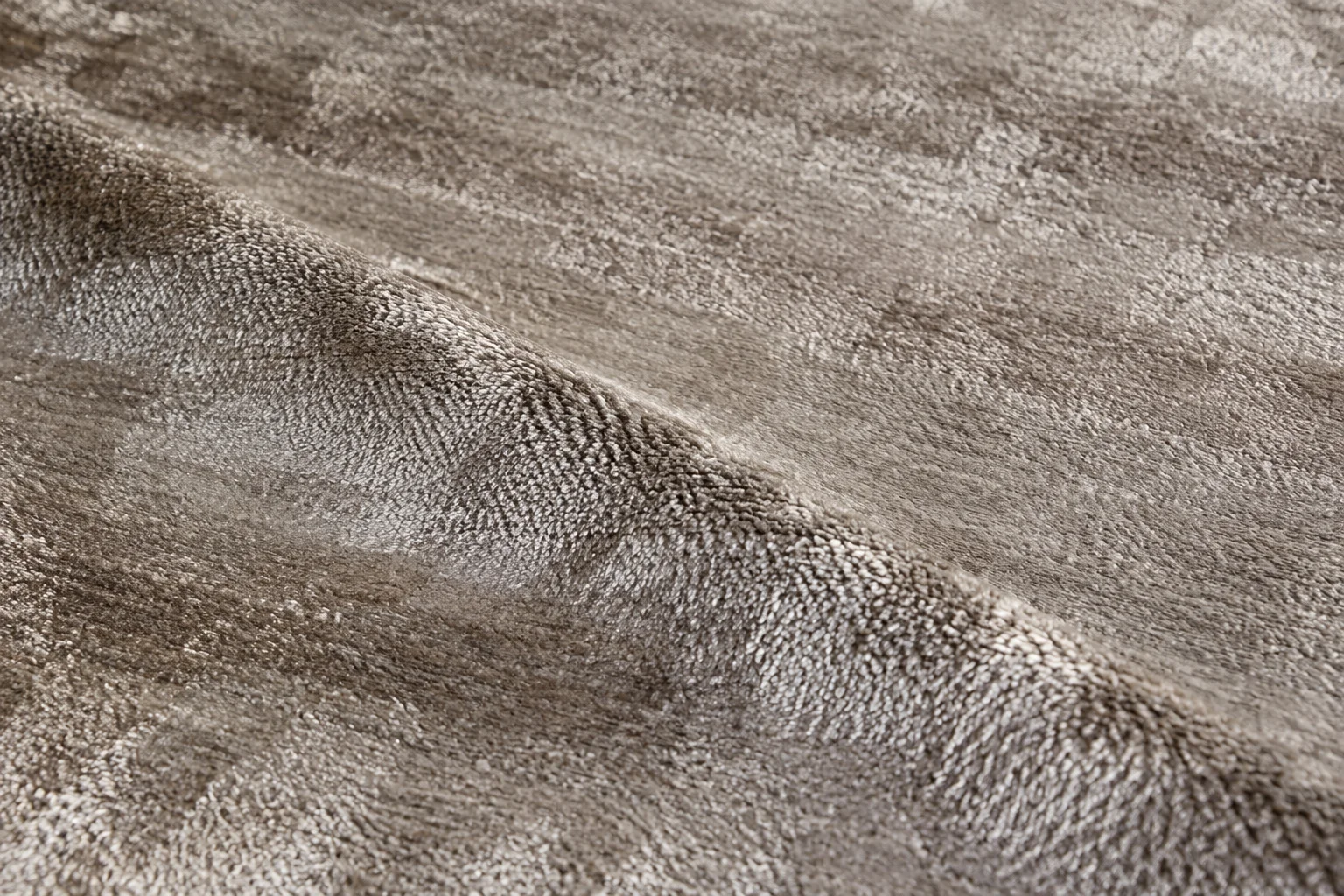
- A fine, lustrous fiber used for high-detail rugs and accents, prized for sheen rather than durability.
- Viscose & Bamboo Silk
- A semi-synthetic fiber made from plant cellulose, used as a silk-like sheen alternative at a lower cost.
- Wool
- The classic rug fiber — naturally stain-resistant, resilient underfoot, and rich in how it takes dye.
Weaving & Finishing
- Abrash
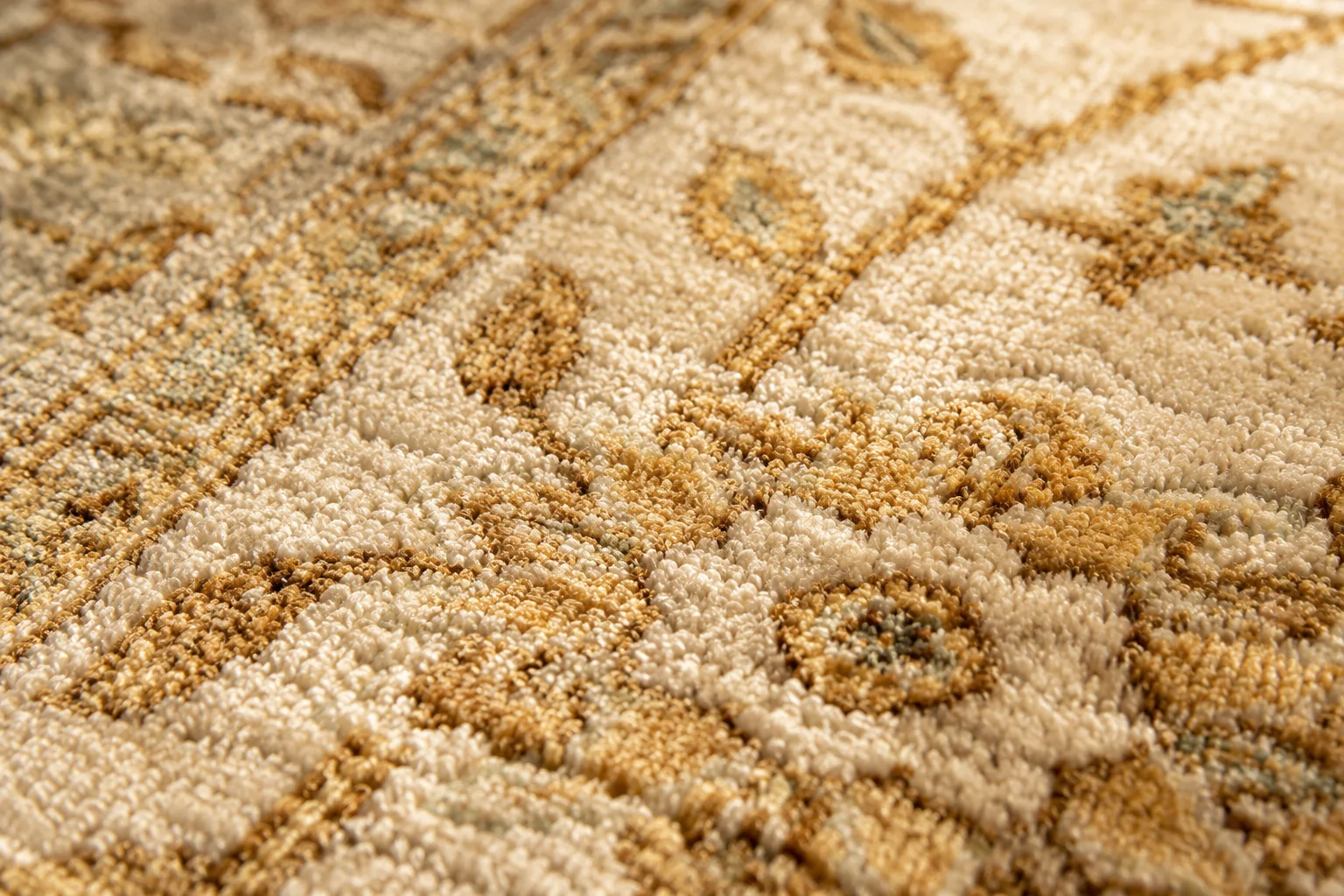
- Natural, subtle colour variation within a single rug, caused by using yarn from different dye batches — a hallmark of handmade, not a flaw.
- Fringe
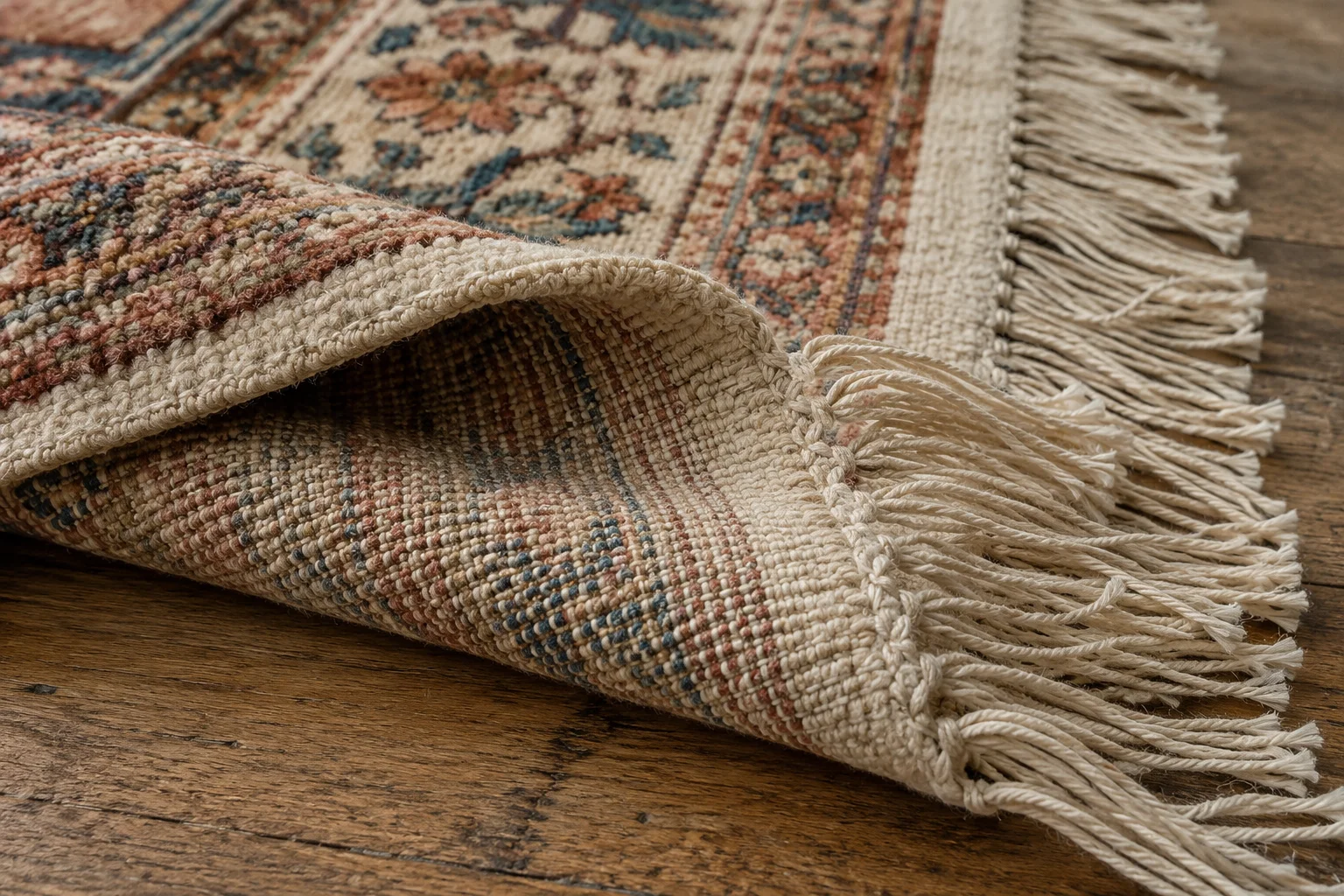
- The loose threads at a rug's ends — on a hand-knotted rug, the extension of the warp itself; on others, often added afterward.
- Knot Density (KPSI)
- The number of knots per square inch in a hand-knotted rug — the main measure of fineness, detail, and production time.
- Overcasting & Binding
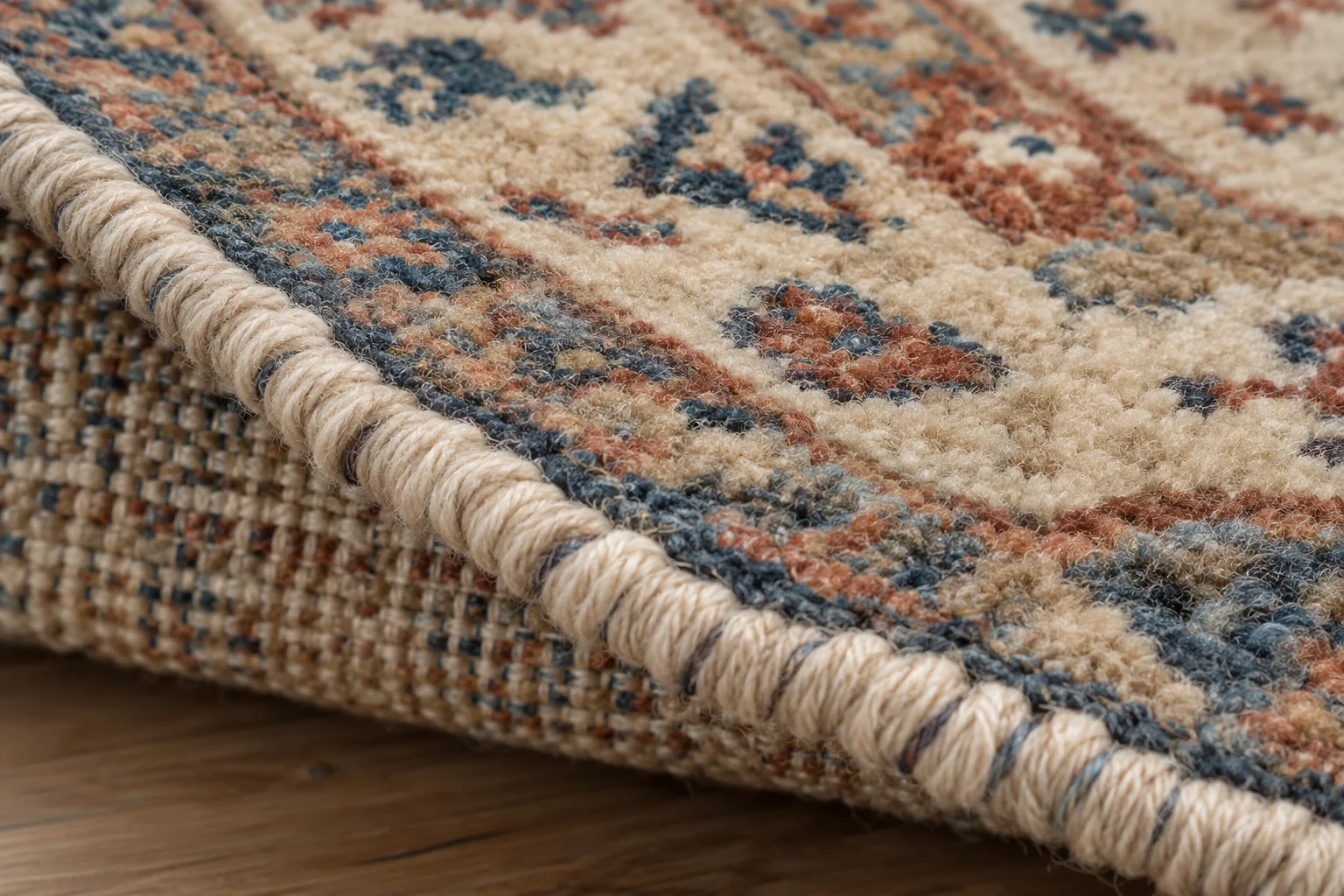
- The edge-finishing techniques that stop a rug's sides from fraying — overcasting wraps yarn around the edge, binding sews on a fabric strip.
- Pile Height
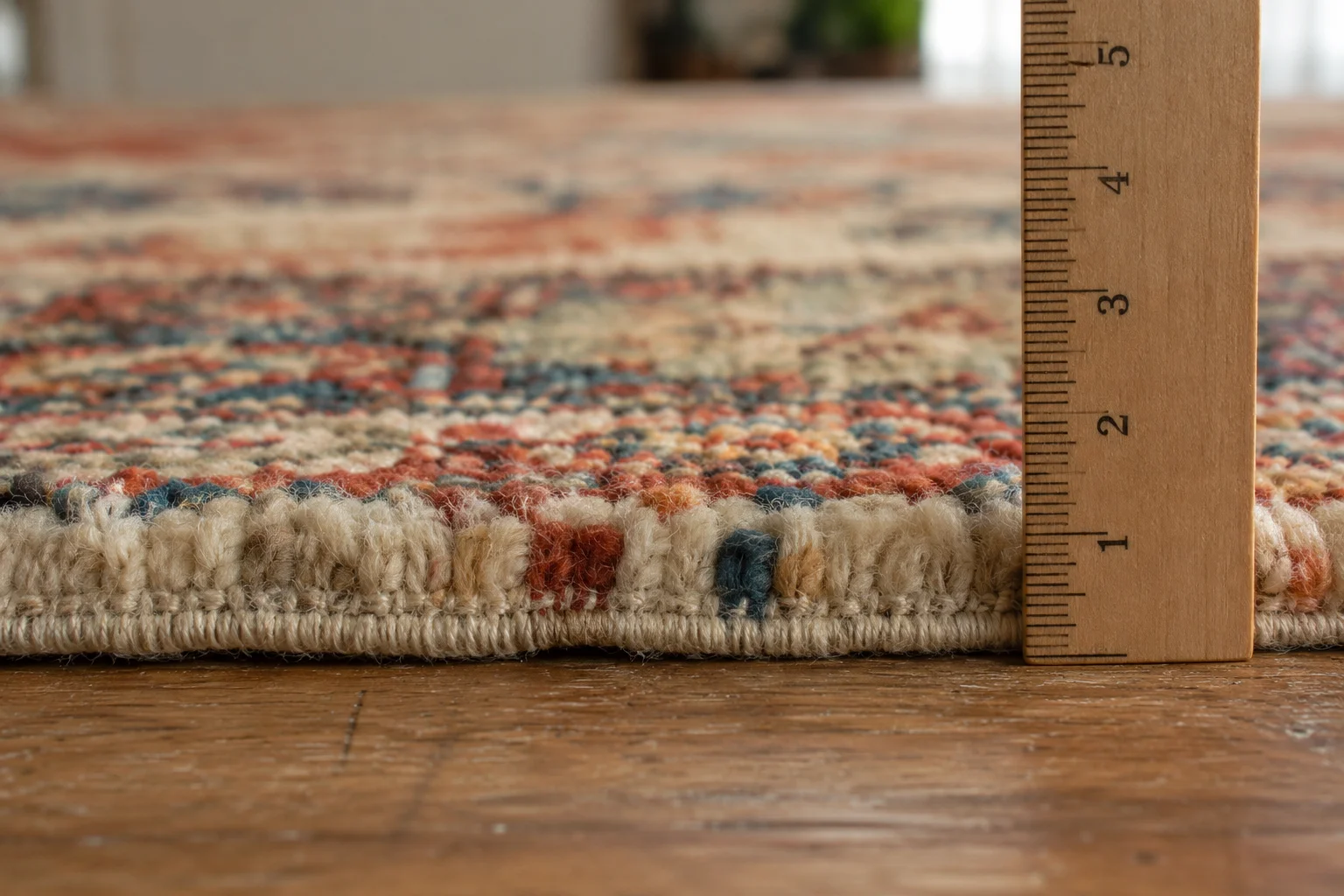
- The height of the yarn loops or cut ends standing above a rug's foundation, which determines how plush or low-profile it feels.
- Warp & Weft
- The two sets of threads every woven rug is built from: warp runs the length of the loom, weft runs across it.
Style
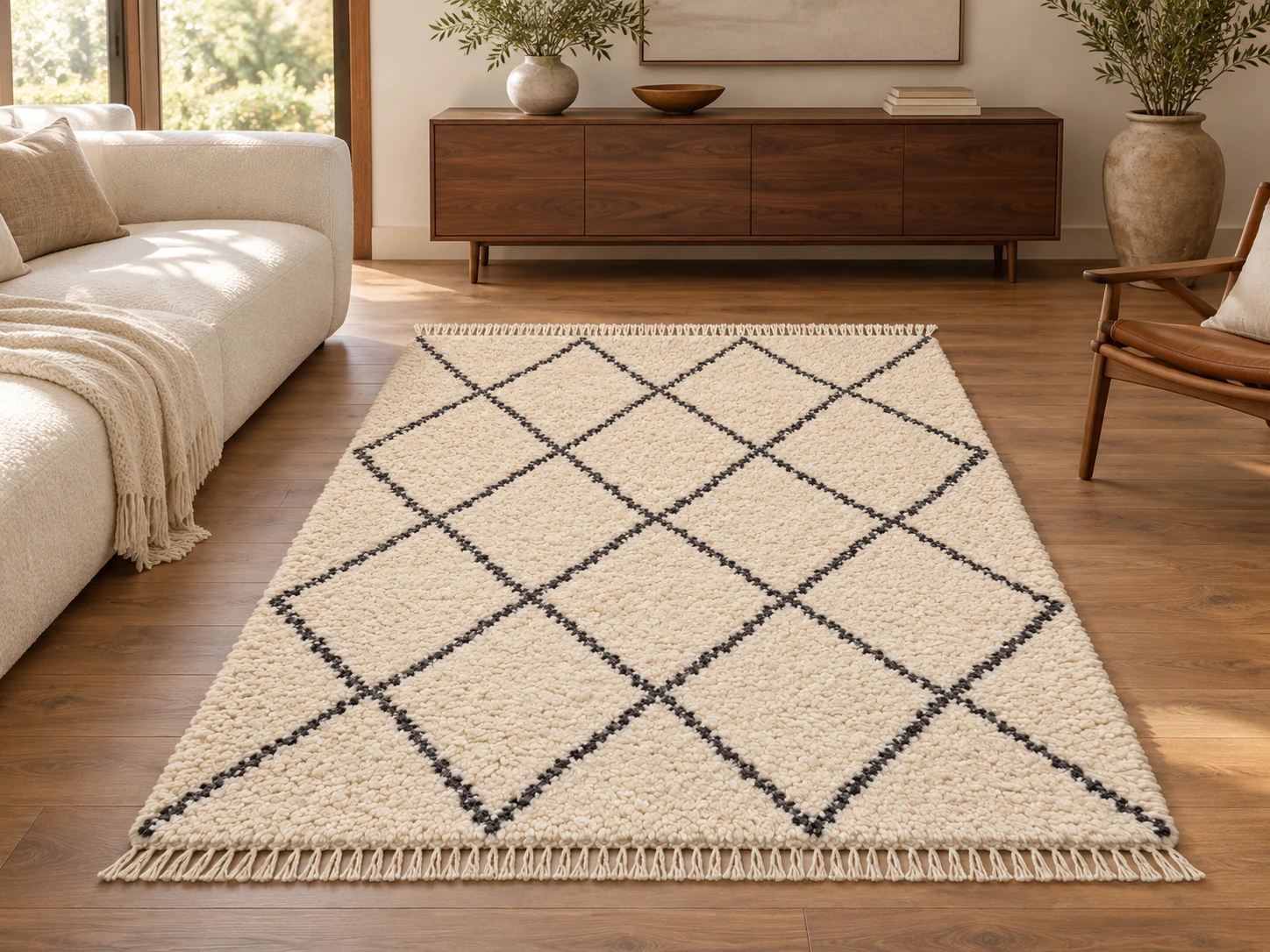
- Berber
- A North African weaving tradition known for high pile, geometric line-work, and a neutral, natural wool palette — the basis of "Moroccan style" rugs.
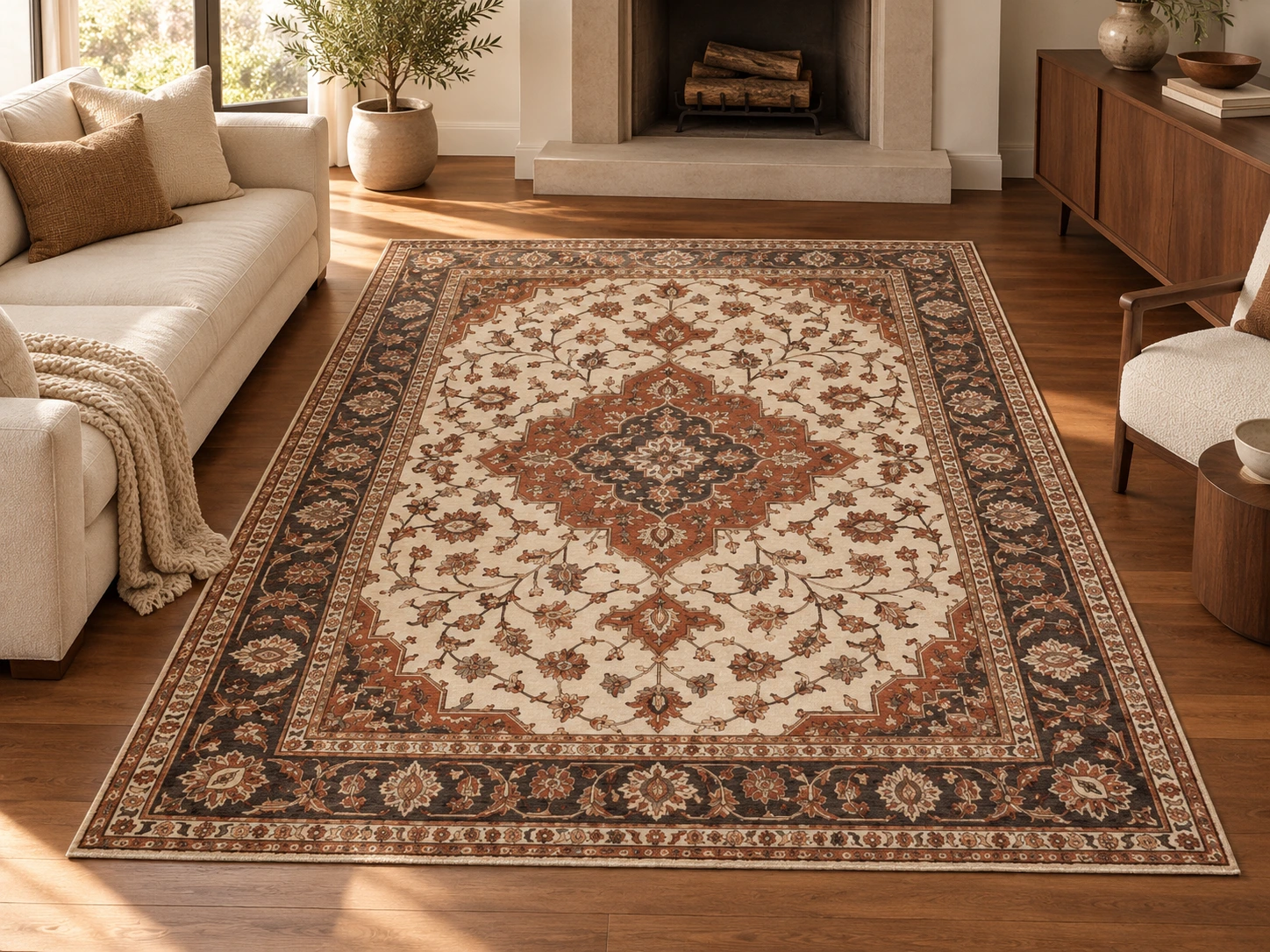
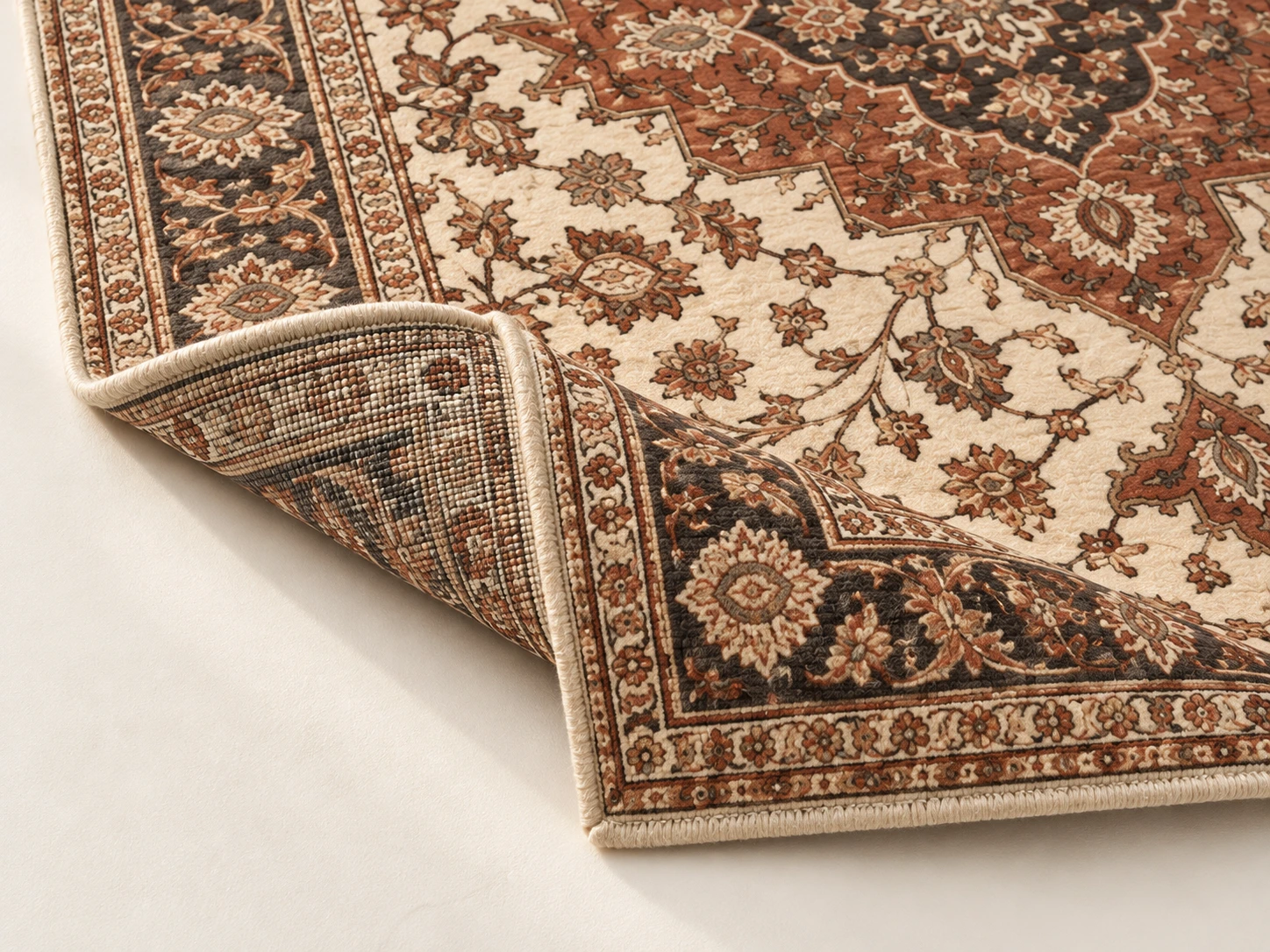
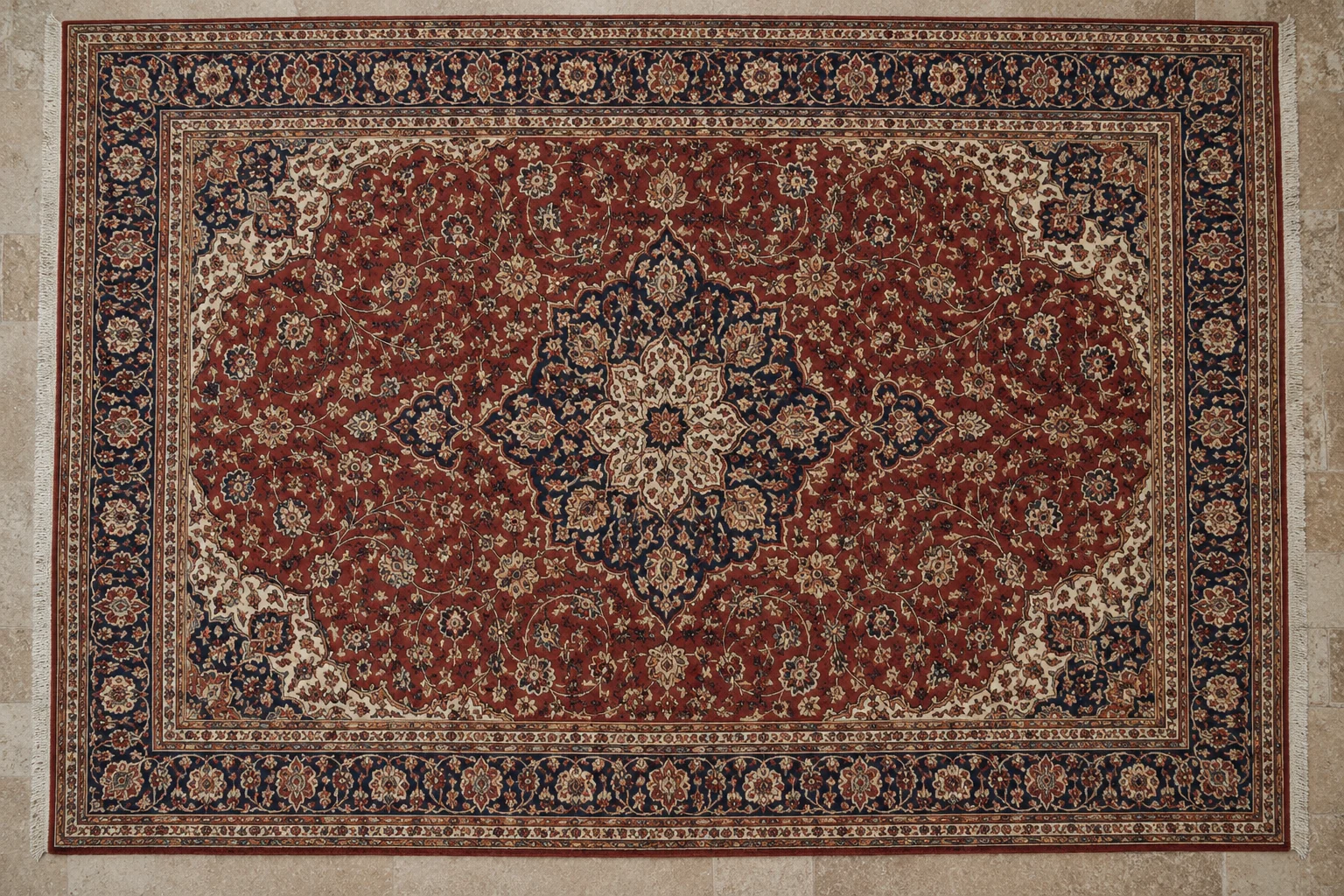
- Medallion
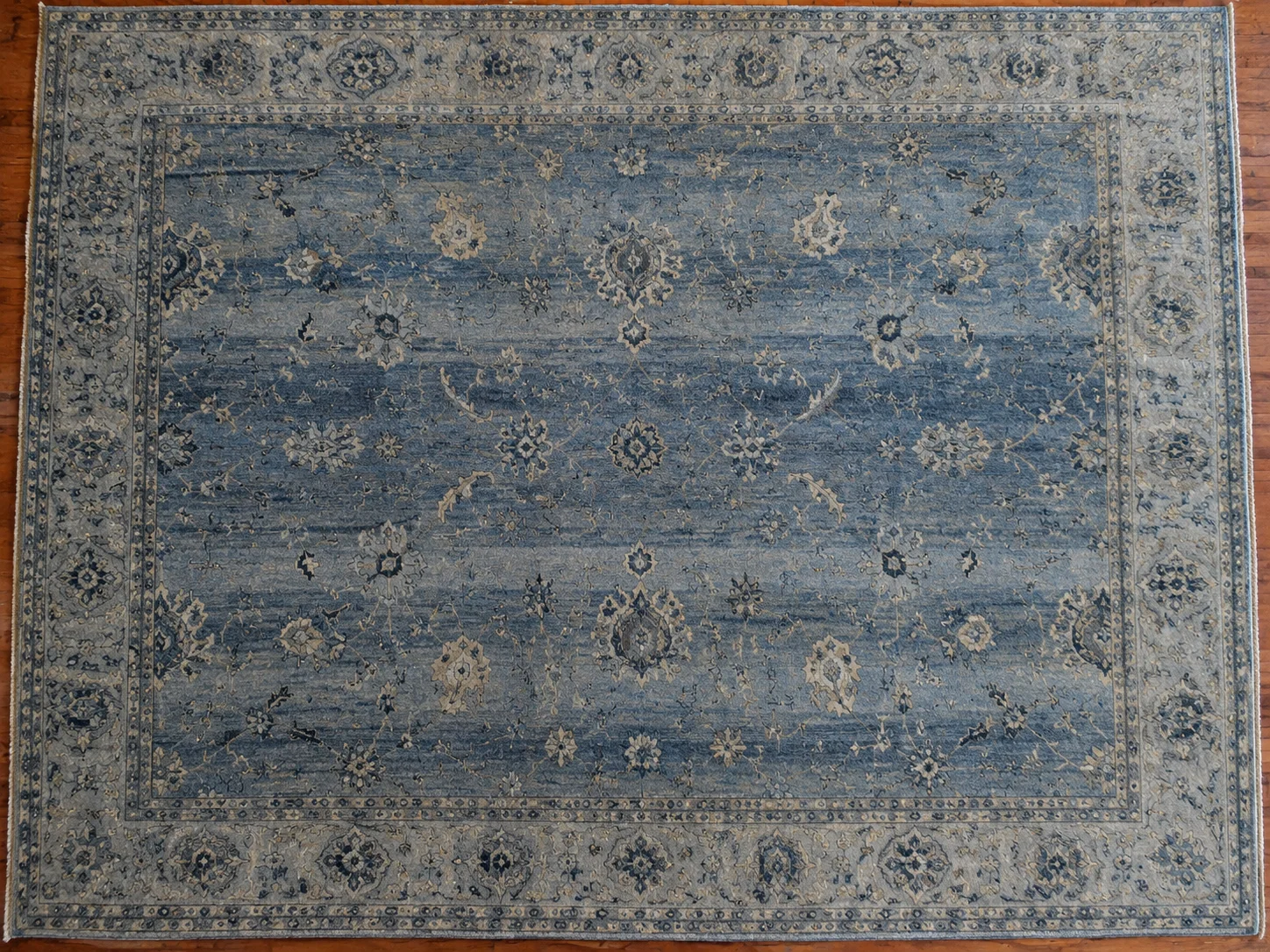
- A large, symmetrical central motif, usually a diamond or rounded shape with radiating detail — a signature of traditional and Persian-style rugs.
- Persian vs. Oriental
- Not interchangeable: "Persian" means made in Iran; "Oriental" is a broader, older trade term covering hand-knotted rugs from across Asia.
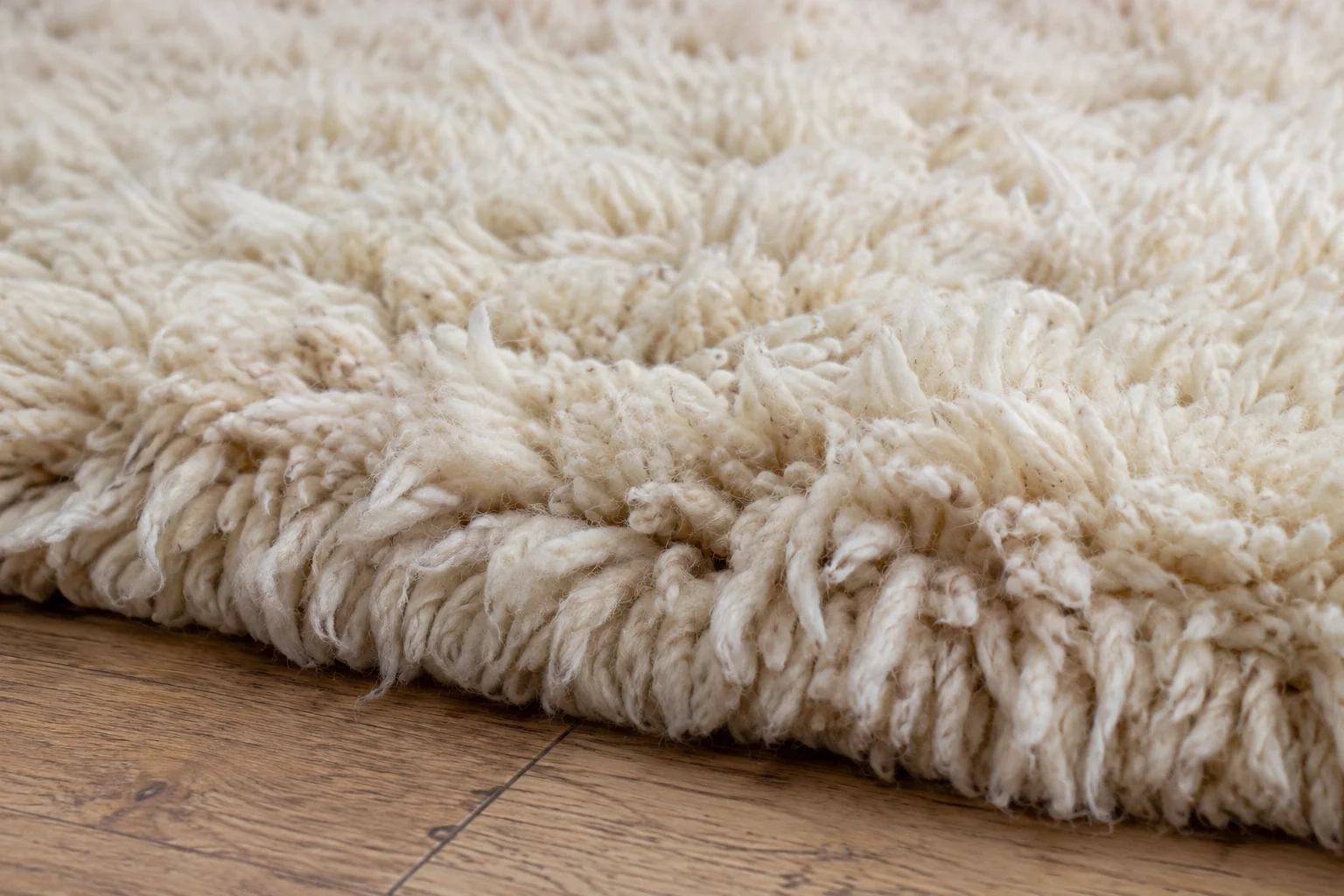
- Shag
- A rug with long, loose pile, prized for a soft, plush, casual feel rather than fine pattern detail.
Trade Terms
- FOB & Incoterms
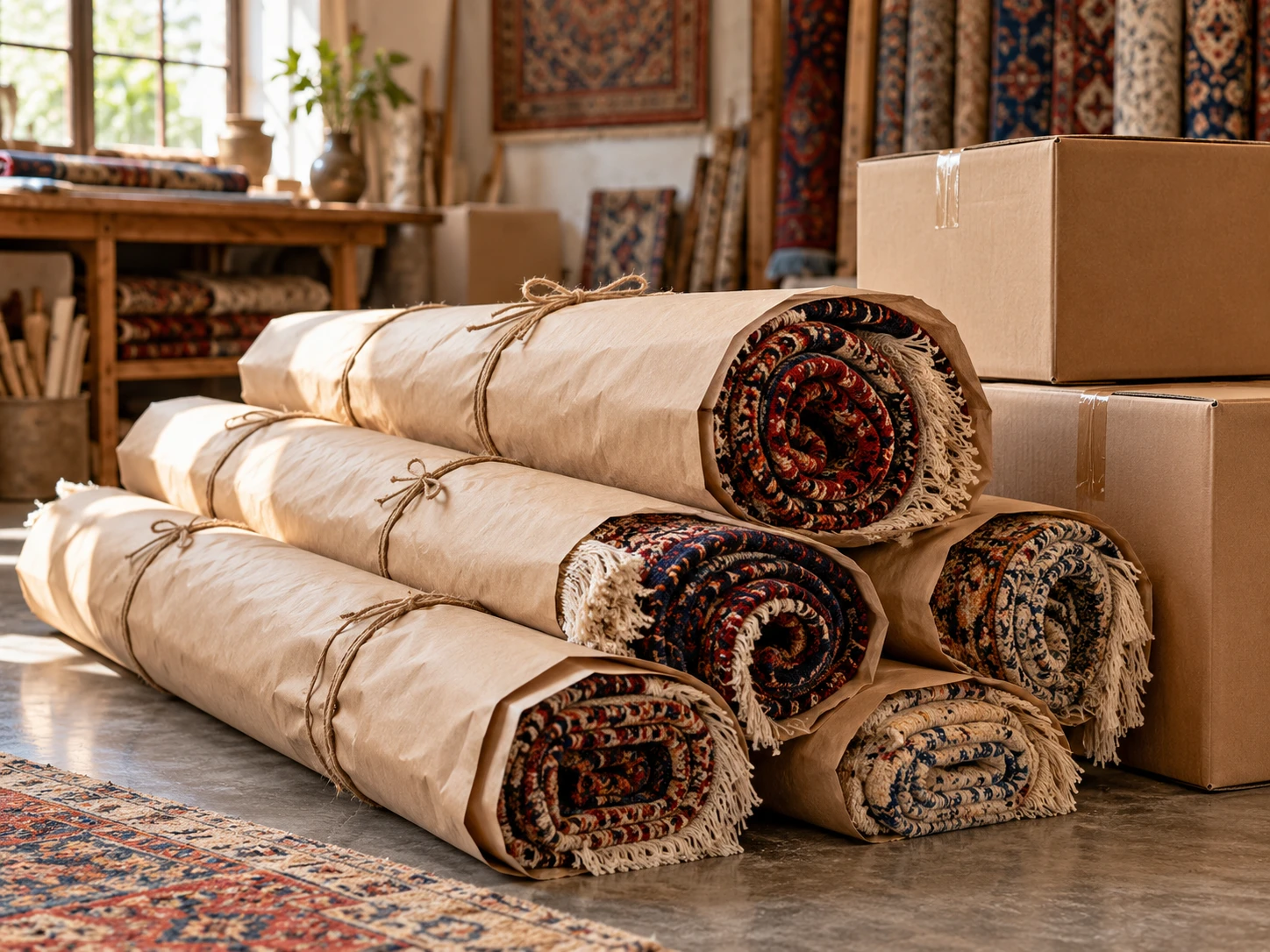
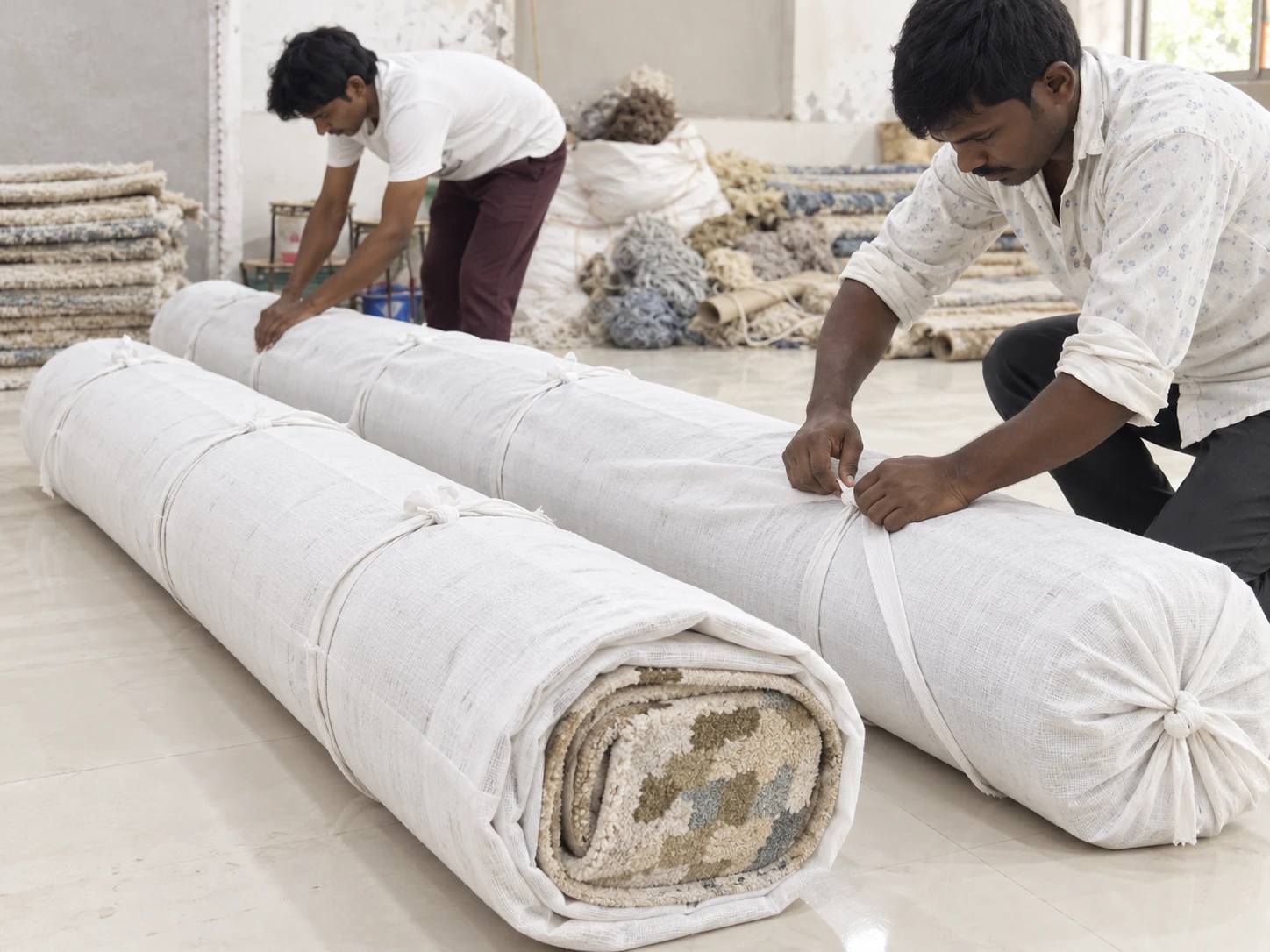
- Standardised international trade terms, like FOB, that define exactly where the seller's responsibility for shipping, cost, and risk ends.
- MOQ (Minimum Order Quantity)
- The smallest quantity a manufacturer will produce per order — varies by construction, size, and whether it's a stock or custom design.
- Private Label / White Label
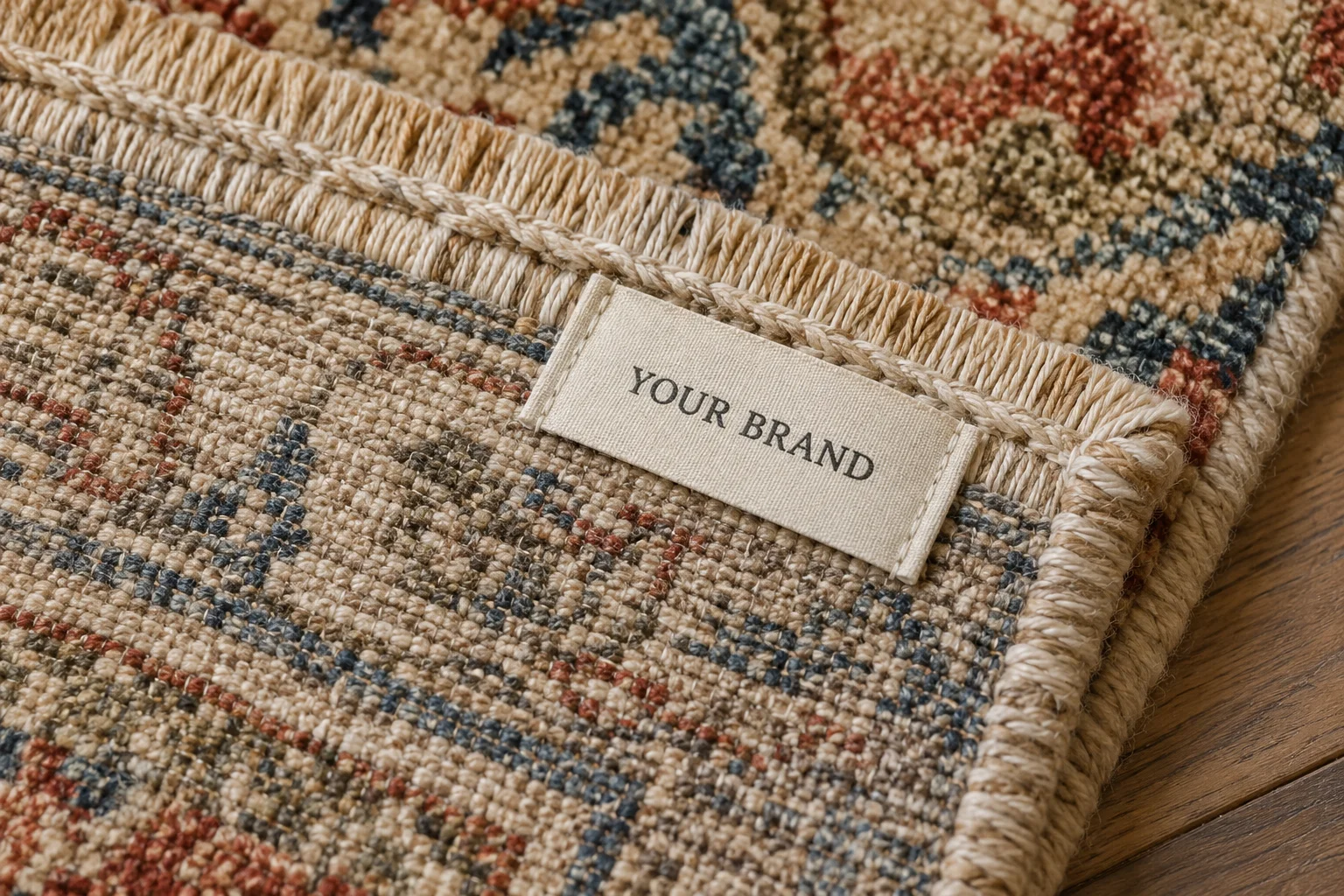
- Manufacturing a rug under the buyer's own brand — labels, hangtags, and packaging carry the retailer's name, not the factory's.
Ready to spec a design?
Tell us the construction, material and size you have in mind — we'll come back with samples and a timeline.
Enquire